Komfort Auto Parts Komfort Auto Parts

How to Choose the Right Commercial Vehicle Parts for Your Needs?

Time:2026-03-30 Author:Aria
0%

Choosing the right commercial vehicle parts is essential for maintaining efficiency and safety in your operations. Understanding your specific needs can guide you in making informed decisions. Commercial vehicle parts are not just about cost; quality and durability matter significantly.

When selecting parts, consider the type of vehicle you own and its intended use. Different vehicles demand different components. A delivery truck might require robust braking systems, while a van could focus on fuel efficiency. Assessing these needs helps avoid costly mistakes.

Remember, not all parts are created equal. Issues can arise from purchasing incompatible parts. Research reputable suppliers with a solid track record. This can help ensure that you are getting the best value for your investment. Always reflect on your choices to enhance future purchasing decisions.
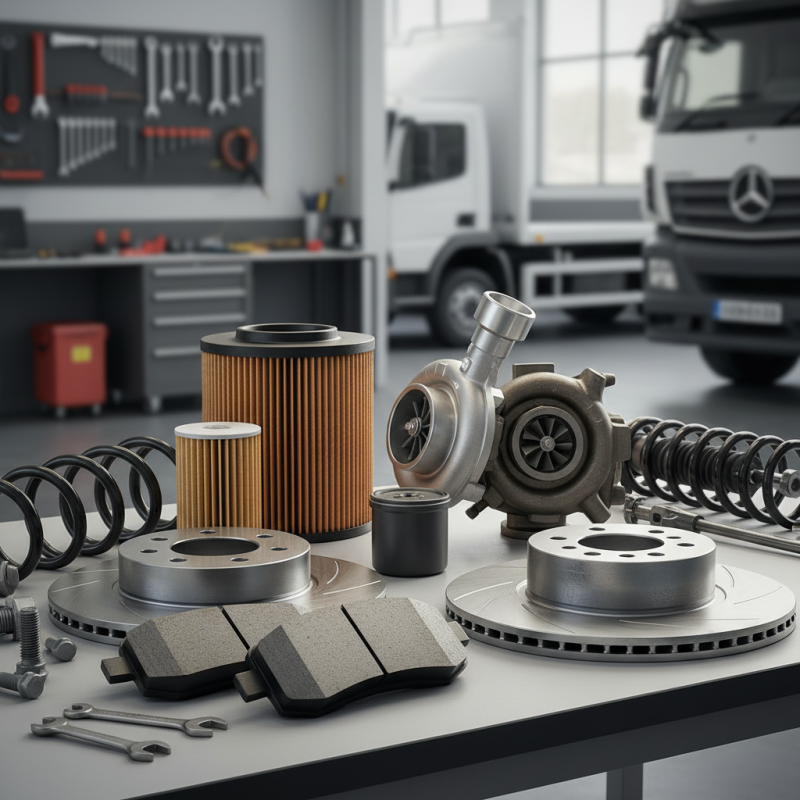
How to Choose the Right Commercial Vehicle Parts for Your Needs?

Understanding the Types of Commercial Vehicle Parts Available

When selecting commercial vehicle parts, it’s vital to understand the range of options available. There are several key types of parts. These include engine components, suspension systems, brakes, and body parts. Each serves a unique purpose in ensuring the vehicle’s performance and safety. According to a report by the Commercial Vehicle Association, engine components account for nearly 45% of the total parts market. This highlights their critical role in operation.

Another important category is suspension systems. These parts help manage vehicle weight and improve handling. Well-functioning suspension enhances driver comfort and extends tire life. Research shows that wear and tear on suspension components can lead to 25% more maintenance costs. This statistic underscores the importance of regular checks to avoid premature failures.

Brakes are equally crucial and should not be overlooked. Reliable brake systems improve safety and decrease accident risks. The National Safety Council reports that approximately 30% of commercial vehicle accidents stem from brake failures. This staggering figure emphasizes the need for high-quality brake parts. When selecting parts, understanding these categories and their implications is essential for long-term reliability and safety.

How to Choose the Right Commercial Vehicle Parts for Your Needs?

Part Type Description Compatibility Average Cost
Brake Pads Friction material that helps in slowing down or stopping the vehicle. Most commercial trucks and vans $50 - $150
Shocks and Struts Components that help control vehicle stability and ride comfort. Various light and heavy-duty trucks $100 - $400
Air Filters Filters that prevent dirt and debris from entering the engine. All commercial vehicles with internal combustion engines $15 - $50
Batteries Provides the necessary power for starting the vehicle and operating electrical systems. Most commercial vehicles $100 - $300
Tires Rubber coverings that provide traction and support for the vehicle. All types of commercial vehicles $100 - $400 each

Identifying Your Specific Vehicle Needs and Requirements

Identifying specific vehicle needs is crucial when selecting commercial vehicle parts. The right components ensure efficiency and safety. According to the American Trucking Association, proper maintenance increases vehicle lifespan by 30%. This statistic emphasizes the importance of understanding specific requirements for your vehicle.

Different types of commercial vehicles have unique needs. For example, delivery vans may require lightweight components for improved fuel efficiency, while heavy-duty trucks need robust parts for durability. A report by J.D. Power states that 70% of fleet managers prioritize reliability in parts selection. Therefore, understanding how your vehicle operates in its environment can guide you in making informed choices.

However, not all components are created equal. Thus, it's essential to consider factors like compatibility and manufacturer recommendations. In some cases, generic parts may seem appealing due to lower costs, but they can lead to performance issues. A 2021 market analysis noted that using the wrong part could result in a 20% decrease in operational efficiency. Hence, it's vital to assess your vehicle’s needs critically.

Evaluating Quality Standards and Certifications for Parts

When selecting commercial vehicle parts, evaluating quality standards and certifications is crucial. Quality marks indicate rigorous testing and safety compliance. Look for certifications like ISO and SAE. These ensure that parts meet specific manufacturing standards. Using certified parts can prevent breakdowns.

Not all parts meet the same quality. Some may perform well initially but fail over time. Research the longevity and reliability of each part. Check independent reviews and user experiences. Some parts may seem affordable, but cheaper options can lead to higher costs in the long run.

Consider the environment where the vehicle operates. Choose parts designed for specific conditions. Weather and terrain can play a vital role in part performance. Ask experts about the best options for your needs. Understanding these factors can help you make better choices. Remember, every decision impacts your vehicle's efficiency and lifespan.

Comparing Cost and Value Across Different Parts Suppliers

When selecting commercial vehicle parts, cost and value are crucial factors. A recent industry report noted that up to 30% of fleet maintenance budgets are spent on parts. This highlights the need for careful evaluation. Price does not always reflect quality. Often, cheaper parts can lead to higher long-term costs due to premature replacements.

Research from the Fleet Management Association reveals that a significant number of operators face challenges with subpar suppliers. In fact, 45% of fleets reported parts failures leading to downtime. Look for suppliers who offer warranty protections and knowledgeable support. This can greatly enhance overall satisfaction and reliability.

While comparing different suppliers, consider the materials used. A part made from high-quality steel may cost more upfront but provide longevity. It’s essential to balance immediate budget constraints with future savings. Sometimes, investing a little more upfront pays off. Being aware of the potential hidden costs in cheaper options can prevent headaches later on.

Considering Installation and Maintenance Factors for Parts Selection

Choosing the right commercial vehicle parts involves careful consideration of installation and maintenance factors. Proper selection can impact both vehicle performance and longevity. According to recent industry data, up to 30% of vehicle downtime is linked to improper parts selection and installation. This highlights the importance of not just choosing a part based on compatibility, but also evaluating how easy it is to install and maintain.

When considering parts, evaluate their installation requirements. Some components require specialized tools or training, increasing overall costs. Research shows that easier installations can reduce labor costs by up to 15%. Always consult vehicle service manuals or professional guidelines.

Tips: Check online resources for installation tutorials. Connect with experts when unsure. Ask questions about maintenance.

Maintenance is equally crucial. Quality parts may require less frequent replacements, impacting long-term costs. A report from the Automotive Aftermarket Industry Association reveals that using durable parts can extend component life by 20-30%. Assess potential maintenance challenges with any parts you consider.

Tips: Review maintenance schedules for specific parts. Consider warranties and support options before purchasing.

FAQS

: What are the main types of commercial vehicle parts?

: Key types include engine components, suspension systems, brakes, and body parts. Each has a unique role in performance.

Why are engine components important?

Engine components account for nearly 45% of the parts market. They play a critical role in vehicle operation.

How does suspension affect a vehicle?

Suspension systems manage weight and enhance handling. They can improve driver comfort and extend tire life.

What are the risks of faulty brake systems?

About 30% of commercial vehicle accidents result from brake failures. High-quality brake parts are crucial for safety.

How do I evaluate part quality?

Check for certifications like ISO and SAE. Quality marks ensure compliance with manufacturing standards.

Are cheaper parts always better?

No, cheaper options can lead to higher long-term costs. Reliability and longevity are more important than initial price.

How does weather impact part performance?

Parts designed for specific conditions perform better. Consider the environment where the vehicle operates.

What should I consider when comparing suppliers?

Look for warranty protections, materials used, and supplier support. Balance upfront costs with long-term savings.

Can I trust all independent reviews?

Not always. Some parts may perform well initially but fail over time. Research thoroughly before purchasing.

What’s the importance of regular checks on parts?

Regular inspections can prevent premature failures and costly repairs. It’s essential for maintaining vehicle safety and efficiency.

Conclusion

When selecting Commercial Vehicle Parts, it is essential to first understand the various types available. This includes recognizing the specific requirements of your vehicle, such as its make, model, and intended use. Identifying these needs helps streamline the selection process, ensuring that you are choosing parts that enhance performance and safety.

Additionally, it is crucial to evaluate the quality standards and certifications associated with the parts. This gives assurance regarding their reliability and durability. Comparing costs and value across different suppliers can help you find the best deals without compromising quality. Lastly, take into account installation and maintenance factors, as these can impact long-term performance and overall costs. With careful consideration of these elements, you can make informed decisions when purchasing Commercial Vehicle Parts.

Aria

Aria

Aria is a dedicated marketing professional with a deep passion for innovative strategies and a keen understanding of our company's product offerings. With a wealth of experience in the industry, Aria excels at crafting engaging content that highlights the unique features and benefits of our......